
By Lee Garvey
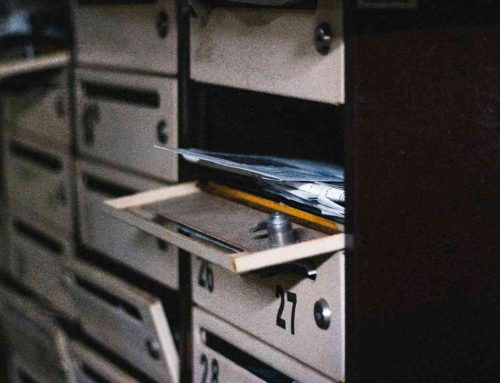
For years, corporate mailrooms functioned like a well-oiled machine—printers, folders, stuffers, stampers, and a team of employees ensuring that letters, invoices, and marketing materials got out the door. But today, that model is disappearing fast.
More businesses are realizing they don’t need the cost or complexity of an in-house mail operation. And soon, some won’t even have a choice.
Here’s why companies are ditching their in-house mailrooms altogether in favor of outsourcing, and what that means for your business.
Launch 500 postcards / flyers / letters in ~5 minutes. We print, address, and mail for you.
Upload your design and mailing list, pay, done.
No post office run. No subscriptions.
Next-business-day mailing for most products.
Why Traditional Mailrooms No Longer Make Sense
For many businesses, maintaining an internal mailroom was once a necessity. But as technology advances, the traditional model is proving to be more of a liability than an asset.
1. Inventory and Equipment Management is a Hassle
Managing a mailroom isn’t just about sending letters—it involves ordering and tracking supplies, maintaining printers and postage meters, and making sure everything runs smoothly.
“Even just inventory management is super complicated in a mailroom situation,” says Carly Brown, customer support manager at Click2Mail. “If you can wipe away inventory management, you’re really going to save time. Somebody’s going to get a lot of hours back in their day.”
2. It Takes Up Too Much Employee Time
Running an in-house mail operation also means employees are constantly pulled away from higher-value work to handle tedious mailing tasks.
“Think about how much time it takes to stop what you’re doing and say, ‘Oh no, I’ve got some mail to send today,’” Carly says. “You’re working, working, working, and then you have to stop, send an invoice or a thank-you card, and then try to get back into a productive flow. It’s just not efficient.”
3. Remote Work and Hybrid Offices Have Made Mailrooms Obsolete
When offices shut down during the pandemic, many companies quickly realized that they didn’t need a physical mailroom anymore. And when employees returned to work, those mailrooms didn’t come back.
“All the customers we gained during COVID—hotels, offices, businesses where people got sent home—none of them went back to their old way of doing things,” Carly says. “They all found more productive things to do with their time.”
From Cost-Cutting to Competitive Advantage
While many businesses first consider mailroom downsizing as a way to cut costs, they quickly realize that outsourcing isn’t just cheaper—it’s a smarter way to operate. Direct mail companies that specialize in these services can do it at a much lower cost, and save organizations a lot of time as well.
“There’s no room in the basement, no printers, no stampers, no guys driving to the post office, no vans—all of that goes away,” says Lee Garvey, founder and CEO of Click2Mail.
Outsourcing mail services offers:
- Time Savings – No more employees stuffing envelopes when they could be handling sales, customer service, or strategic initiatives.
- Operational Flexibility – Remote teams don’t need to be in-office to send essential mail.
- Improved Tracking – Businesses know exactly when mailpieces are delivered, allowing for timely follow-ups.
- Regulatory Compliance – Some industries, such as healthcare and finance, need secure mailing solutions—outsourcing to the right provider ensures compliance with HIPAA, GDPR, and other regulations.
The Cost and Time Savings of Eliminating the Mailroom
Outsourcing mail operations doesn’t just reduce overhead—it eliminates many of the hidden costs that businesses rarely factor into their budgets. By switching to a direct mail service, companies save on both hard costs (equipment, supplies, postage) and soft costs (labor hours, inefficiencies, workflow disruptions).
What Businesses No Longer Have to Pay For
Traditional mailrooms come with a long list of expenses, many of which add up quickly:
- Postage Meters and Mailing Equipment – Businesses that rely on in-house mailing often need postage meters, folding machines, stuffing machines, and high-volume printers. These aren’t one-time purchases; they require regular maintenance, leasing fees, and supply refills.
- Paper, Envelopes, and Ink – The costs of printing and mailing materials go beyond just paper. Companies spend thousands per year on toner, labels, envelopes, and specialized stationery.
- Storage and Inventory Management – Keeping a mailroom stocked means dedicating space, resources, and administrative time to managing inventory.
- Mailroom Staff or Diverted Labor – Whether a company has a dedicated mailroom team or asks employees to handle mailing tasks, the labor cost is significant.
- USPS Postage Increases and Compliance Issues – Without bulk mailing discounts or automation, businesses pay higher postage rates and risk non-compliance fees if they don’t follow USPS guidelines.
Reclaiming Employee Time and Productivity
Beyond hard costs, companies lose valuable work hours when employees are pulled away from their core responsibilities to handle mail tasks.
- Eliminating Repetitive Work – Instead of spending time printing, folding, and stuffing envelopes, employees can focus on higher-value tasks like sales, customer service, and business development.
- Reducing Workflow Disruptions – Employees who stop their work to handle mail lose productivity—not just in the time spent mailing, but in the mental reset required to get back on track.
- Automating Recurring Mailings – A CRM-integrated mail system eliminates manual follow-ups. “If they use Click2Mail via Connect, it’s a set-it-and-forget-it type of thing,” Carly explains.
How to Transition from an In-House Mailroom to a Direct Mail Service
Switching from a traditional mailroom to an outsourced service isn’t as complicated as many businesses think. A few strategic steps can streamline the process:
- Audit Current Mailing Expenses – Businesses should calculate how much they’re spending on postage, supplies, equipment, and labor. Most companies are surprised at the hidden costs.
- Identify High-Volume or Recurring Mailings – Invoices, renewal notices, and marketing campaigns are ideal for automation.
- Choose the Right Direct Mail Partner – Look for a service that integrates with your CRM and offers tracking, compliance, and bulk mailing discounts.
- Test a Small Campaign First – Instead of transitioning all mail at once, companies can start with a single mailer type (such as invoices or appointment reminders) to compare efficiency and costs.
- Automate Where Possible – Many businesses waste time manually managing mail when integrations with Salesforce, Google Sheets, and other CRMs can handle everything automatically.
Make the Switch to Click2Mail – We’ll Make It Easy to Eliminate Your Mailroom
For businesses looking to eliminate mailroom costs, free up employee time, and simplify their direct mail operations, Click2Mail provides an all-in-one solution.
- No contracts, no hidden fees – Businesses pay only for what they mail.
- Easy CRM and automation integration – Set up direct mail workflows with Salesforce, Google Sheets, Zapier, and more.
- USPS-compliant tracking and bulk discounts – Ensure every mailpiece arrives on time at the lowest possible rate.
With many businesses already making the switch, Click2Mail helps companies modernize their mail operations and stay ahead of the curve.Ready to get started? Visit Click2Mail to explore automation tools, pricing, and a free trial.

About Lee
Lee Garvey is the founder of Click2Mail, a pioneering platform in cloud-based direct mail automation since 2003. Under his leadership, Click2Mail has become a trusted USPS partner, helping thousands of businesses streamline their mailing processes and effectively bridge the gap between digital and physical marketing.